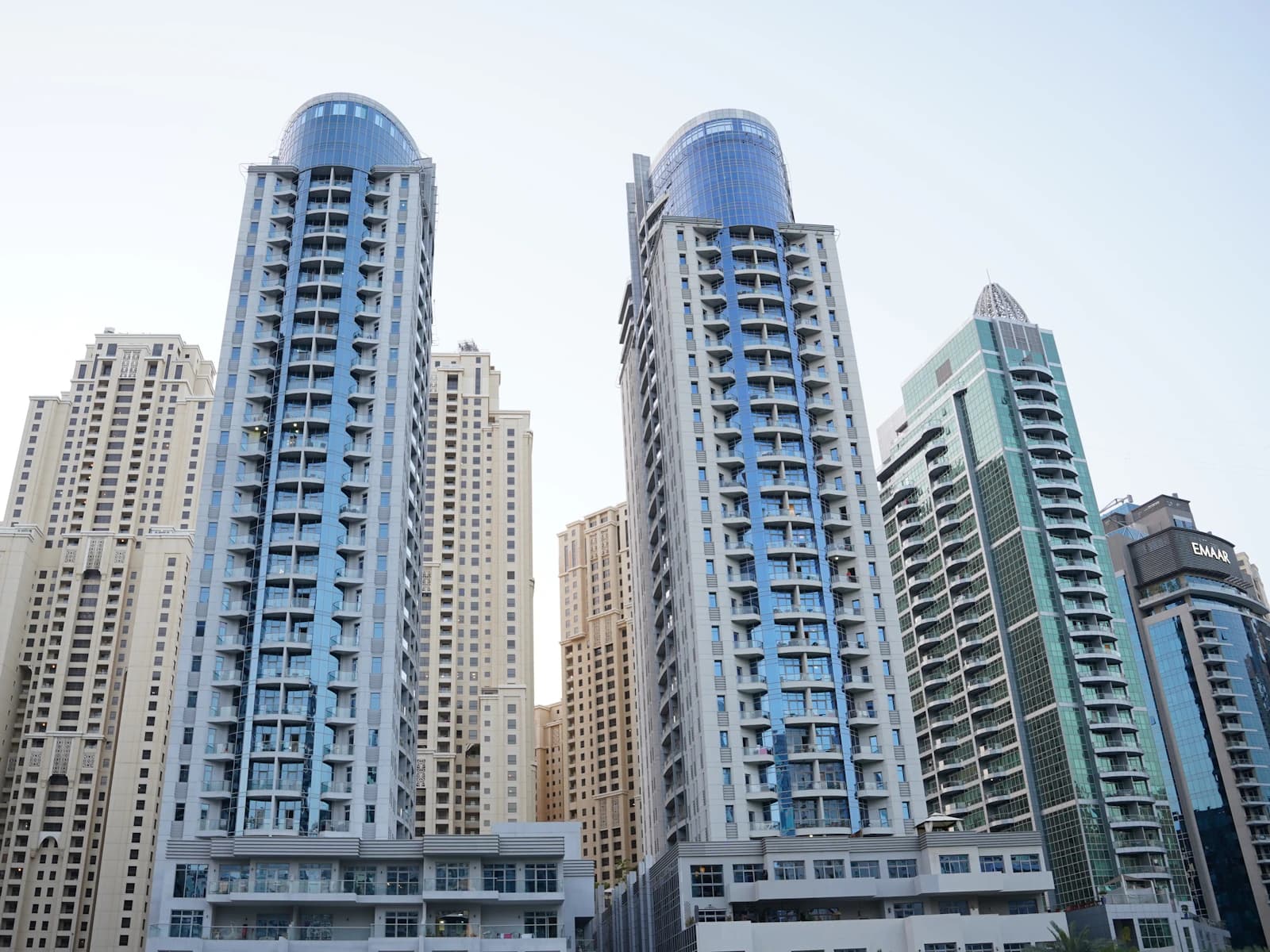
Buying a property unit in Dubai, whether off-plan or ready-built, requires legal review that goes beyond the price and the payment plan. The contract terms, the unit's registration, its specifications and the handover date determine the buyer's rights, and affect their ability to claim them if a dispute arises with the seller or the developer.
Buying off-plan: verify before you pay
Before booking and contracting, the registration of the developer and the project should be verified, along with the existence of the necessary approvals and of an escrow account dedicated to the project into which buyers' payments are deposited, and the registration of the sale in the interim real property register ('Oqood') should be followed up. These steps are among the legal foundations that protect buyers of units under construction.
We review the sale contract to confirm that the unit's area, floor plan, specifications, facilities and parking are clearly stated, along with the completion and handover dates, any extension periods, and the terms on payments, compensation and termination. It is important for any promise that influenced the decision to buy to be recorded within the contractual documents, rather than relying on verbal assurances alone.
Ready-built units: check the property and its legal status
When buying a ready-built property, we verify the title deed and the seller's capacity and authority to sell, any mortgage or restriction on disposal, the unit's occupancy status, and any amounts due in connection with it. We also review the terms of the deposit, financing and handover, and coordinate the procedures for transferring ownership and registering the sale with the Dubai Land Department. An engineering inspection before handover helps document any defects and identify the repairs required.
What if the developer delays or departs from the specifications?
We begin by reviewing the contract, the binding handover date and the reasons for the delay, and then determine the appropriate claim: performance of the obligations and handover, correction of the breaches, compensation where its grounds are met, or termination with recovery of the amounts paid, if the circumstances satisfy the legal conditions for it.
The regulatory framework for off-plan sales allows the buyer to seek termination before the competent court in cases that include a material change to the agreed specifications, or where it is established that the unit is unfit for use after handover because of material structural defects. Termination does not follow automatically from every delay or discrepancy; it depends on the contract, the nature of the breach, and the evidence.
Handover does not end the developer's liability
For jointly owned properties governed by Dubai law, the developer's liability to remedy structural defects continues for ten years from the project completion certificate, and for defective installations for one year from the handover of the unit, with special rules on when the period begins where the owner refuses to take handover. Defects should therefore be documented, reported and followed up without delay.
How we intervene to protect your rights
We gather the contracts, plans, payment receipts and correspondence, and coordinate with experts to document the breaches and assess the damage, before sending notices and claims and following up on negotiation and settlement. Where necessary, we represent you before the competent judicial authority or in arbitration, according to the terms of the contract.
The Dubai Land Department may help in reconciling the buyer and the developer, but a judicial application for termination requires recourse to the competent authority. We also review your position before you stop paying instalments or sign an addendum or discharge, so that you preserve your rights and avoid any step that could harm your claim.